Business Casual Outfits Men A Practical Guide to Dressing Sharp Without Overthinking It
As more companies adopt relaxed dress codes, understanding how to dress appropriately can strengthen your professional image and confidence.
What you wear at work doesn’t just affect how others see you—it also influences how you feel and perform. A well-balanced business casual outfit helps you present yourself as polished, reliable, and adaptable, whether you’re meeting clients or collaborating with colleagues.
In this guide, you’ll find practical tips and style insights to help you build a functional and modern business casual wardrobe. From essential clothing pieces to outfit combinations, everything is designed to make dressing for work simpler and more intentional.
Let’s explore how to upgrade your work wardrobe with confidence and ease.
What “Business Casual” Actually Means for Men Today
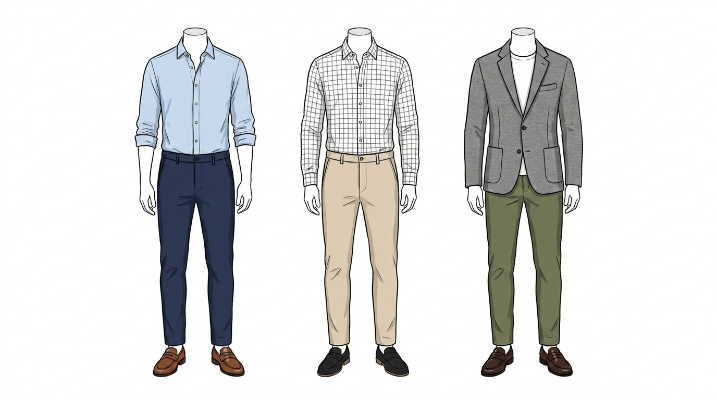
The term "business casual" signifies a conceptual shift in workplace attire, characterized by a diverse array of interpretations that hinge on industry norms and company culture. For example, the tech sector frequently embraces a more laid-back aesthetic, where professionals might pair tailored chinos with smart sneakers and casual button-up shirts, creating an inviting yet polished look that fosters creativity. Conversely, finance typically demands a more conservative style; here, business casual might involve dress slacks with a crisp collared shirt and possibly a blazer, balancing professionalism with a relaxed aura. Creative industries such as marketing and advertising often celebrate innovative styles, permitting the use of vibrant prints and trendy accessories that reflect personal flair while retaining a polished appearance. By understanding these distinctions, individuals can navigate the business casual landscape confidently, ensuring they strike the right balance between comfort and professionalism across various sectors.
Business Casual Outfits Men: The Core Building Blocks (Fit, Fabric, Balance)
The cornerstone of a successful business casual wardrobe lies in the idea of fit. Well-fitted clothing enhances not only your appearance but also elevates your confidence during workplace interactions. Make sure your shirts fit snugly over the shoulders without pulling, and that sleeves end at the wrist. Tailoring is invaluable; small adjustments can morph standard pieces into unique outfits tailored specifically for you. Additionally, fabric choice plays an important role in business casual attire. Opt for breathable cotton for a blend of comfort and professionalism or wool blends that offer structure and warmth during colder months. Both materials are adaptable and suitable for business casual wear.
Striking the right balance is also critical. Combine dressier elements, such as a tailored blazer, with casual items like chinos or loafers for an ideal look. Imagine pairing a crisp white button-up with a navy blazer and khaki chinos—this ensemble perfectly encapsulates a polished yet approachable aesthetic. By incorporating these elements, you can confidently curate a stylish and effortless business casual wardrobe tailored for any workplace environment.
Shirts That Work in Business Casual Settings
Choosing the right shirt is vital for achieving a balanced business casual look. Among the ideal options are button-down shirts and polo shirts. Button-downs, available in various fits, are versatile and easily paired with trousers or chinos, ensuring a polished appearance. Consider classic colors such as white or light blue for timelessness or explore subtle shades for a fresh take. On the other hand, polo shirts offer a casual yet smart choice for when you need to maintain a put-together image in more relaxed environments.
The color and pattern selected can significantly alter your outfit's overall impression. Solid colors often signal timeless elegance, while muted tones can convey personal style without overwhelming the eye. Patterns, like checks, can add flair, but utilize them sparingly; ensure they remain understated to prevent distraction.
Opt for quality fabric to ensure your shirts maintain a crisp, professional appearance. Fabrics such as cotton or cotton blends allow for breathability and wrinkle resistance. Follow care instructions closely to prolong the life of your shirts—opt for cold-water washes, avoid tumble drying, and iron carefully. By selecting and maintaining your shirts diligently, you will navigate the business casual landscape with assurance.

Pants, Shoes, and the Role of Everyday Office Style
Achieving a sophisticated business casual look hinges upon selecting the appropriate pants. Chinos are an optimal choice; their comfort and style blend seamlessly, making them applicable to various occasions. Available in multiple hues, they create a versatile base that pairs well with countless shirts. Dress pants provide additional structure, offering a tailored touch essential for professional settings while remaining relaxed enough for everyday wear. Both options are essential staples that ensure you approach workplace interactions with poise.
Equally important is the footwear you choose. Loafers remain a go-to option in the world of business casual, striking the perfect balance between style and ease. On a more refined note, brogues bring elegance with their distinctive detailing, elevating your look while keeping it suitable for the office.
Accessories, including belts and watches, are critical for refining your overall appearance. A well-fitted belt ties your outfit together, while a tasteful watch adds sophistication and reflects your commitment to detail. To achieve a polished business casual ensemble, make sure your pants coordinate with either loafers or brogues, and pair your accessories to complement your outfit’s overall tone, thereby creating a harmonious and professional image.
Smart Casual vs Business Casual Men: Where People Usually Get Confused
Differentiating between smart casual and business casual can often perplex many men. Smart casual is a blend of formal and relaxed elements—think blazers and button-down shirts alongside chinos or smart jeans. This style is ideal for semi-formal events, networking opportunities, or outings where you wish to appear polished yet approachable. Conversely, business casual typically adheres more closely to traditional office attire, common in workplaces. This often includes dress slacks, collared shirts, and, occasionally, a smart jacket, providing a greater focus on professionalism when compared to smart casual attire.
To make the best choice between these clothing styles, consider the culture of your workplace. If your office environment leans towards the relaxed yet professional, smart casual may be the most fitting option. However, for a corporate setting, business casual is the safer bet to avoid giving off an underdressed impression.
How to Build Reliable Business Casual Outfits for the Office
To perfect the art of business casual, begin by investing in core pieces that are essential for your wardrobe. Quality blazers, crisp button-up shirts, versatile chinos, and comfortable loafers form the foundation of a mix-and-match collection. Opt for a color palette that resonates with your personal style while remaining professional, as neutral tones typically work well with varied accessorizing.
When assembling outfits, keep cohesiveness in mind. Pair a tailored blazer with a plain white shirt and navy chinos for a classic appearance. Mix textures by combining a knitted pullover with patterned trousers to add depth and interest to your look. Don’t hesitate to express your individuality with accessories like ties, belts, or watches—these small additions can evoke personal flair while adhering to the established office appearance.
Ultimately, confidence plays a pivotal role in how you present yourself. By injecting personal items into a refined business casual wardrobe, you create an image that is not only stylish but also appropriate for any working environment you may encounter.
Common Mistakes Men Make with Business Casual Dressing
In the realm of business casual, many men fall into common traps, often either overdressing or underdressing for the occasion. Wearing a suit and tie may exude too much formality, while a t-shirt paired with jeans may come across as too casual. Grasping the specific dynamics of your workplace is critical; what may be acceptable within a tech startup can be out of place in a conventional law firm. To excel in business casual, take the time to assess your surroundings and alter your wardrobe as necessary to align with expectations. It may be beneficial to periodically reassess your closet, reflecting on any detrimental habits and making necessary adjustments to prevent disengagement with established dress codes.
Related Posts
Navigating Office Casual Attire for Men Your Essential Guide to Professional Comfort

Why Cheap Clothes Are Actually Expensive in the Long Run

Best Cottagecore Fashion Brands To Shop For a Dreamy Wardrobe

2026 Sustainable Dresses Trends: Fabrics, Colors, And Silhouettes To Watch

How Textile Recycling Works: Methods, Benefits, And Innovations